Kalag: Honoring the Ancestors
From November 1-2, it is known as Undas, Dáun, Kalag-Kalag, and Araw ng mga Patay in the Philippines. It's a celebration of honoring and respecting the souls of those who have passed on to the afterlife.
Today in Philippine myths and folklore, let's discuss and learn about an old Tagalog folk story from Antipolo, Rizal Province in Luzon. This is on the mythology and creation of Hinulugang Taktak, a popular waterfall in Antipolo.
The Bisayans had many deities or diwata as they were once called. Each one had their own names and functions. The term diwata comes from the Sanskrit word, devata ( देवता ), or deva which means deity. Many of the diwata were associated with aspects of nature such as the sun, moon, stars, seas, and wind. Others had roles in agriculture, fishing, marriage, and war. Some diwata were also deified ancestors, as it was believed that some who were hero's in their lives or died honorable deaths, such as being struck by lightning, eaten by a crocodile, or killed in war, would join the diwata.
Back in 2014, I made a list of deities from various ethnic groups on my blog Diwatahan on Tumblr. I made another list on the Pinoy-Culture blog in 2017. As the years have gone by, there has been an increase […]
“They had another idol called Dian masalanta, who was the patron of lovers and of generation.” – Juan de Plasencia’s Relation of the Worship of the Tagalogs, Their Gods, and Their Burials and Superstition (1589) So there was a question […]
Hello my friends, so today we will be going over the creation story of the Bisayans. So let’s pick up from where I left off and first talk about the creation story. Before I begin, keep in mind that the […]
Most Filipinos today know of this symbolic, colorful bird that has captured hearts and imaginations. It was featured as part of the logo for local channel, ABS-CBN, during the 90’s and also for the 1994 Miss Universe Pageant in the Philippines which both contributed to the popularity of the mythical bird throughout the country within recent years. An example of the bird can be seen when one enters the National Museum of the Philippines where there is an intricately carved figure of the sarimanok on display that symbolizes the artistic and cultural significance of the Meranao people of Lake Lanao in Lanao del Sur, Mindanao.
There are some stories that have been passed down to us through the generations that tells the tales of our people in long enchanting epics and folklore. Some that are well known are the Biag ni Lam-ang of the Ilokanos, the Ibalon from the Bikolanos, the Hudhud from the Ifugao, the Hinalawod of the Sulod of Panay, and the Darangen of the Maranao.


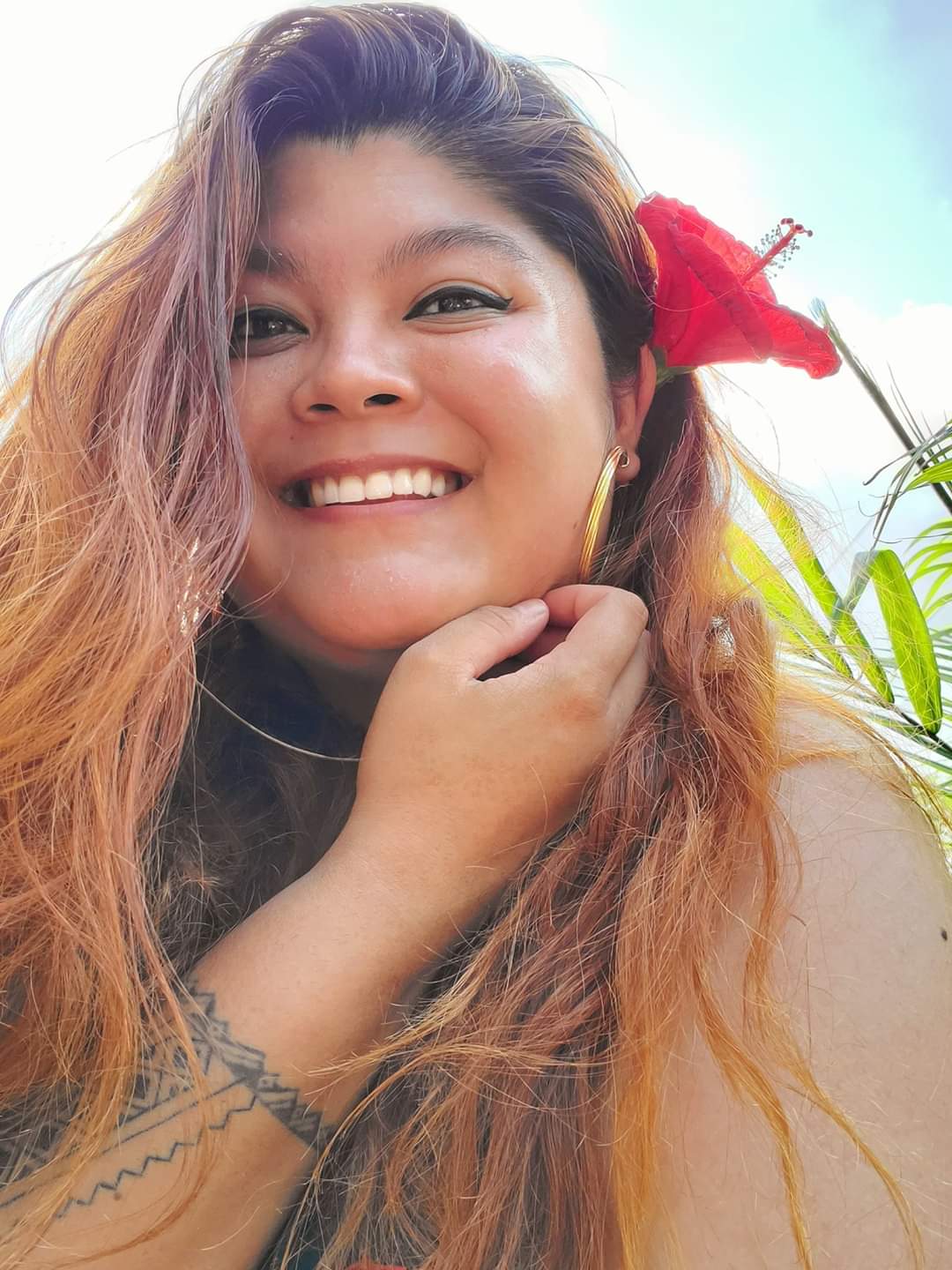
Ligaya Caballes is a cultural bearer, writer, researcher, and photographer, who has educated the Filipino community and diaspora on the history, culture, and folklore of the Philippines for over 10 years. She is a Filipina based in New York, who follows and practices the Animistic and Polytheistic beliefs of her Tagalog and Bisayan ancestors. She is of Mindoreño Tagalog and Akeanon descent. She is also a traditional Filipino hand tapped tattoo apprentice with Katao School. ![]()


COMING SOON!


![]()
This blog is dedicated to the ancestors, the spirits of the land, the rich and diverse history and cultures of the Philippines, and to her people.
May we continue to seek out the knowledge and to learn more about who we are, our histories, identities, and stories. And upon learning these histories, folklore, and culture for ourselves, may we continue to teach and pass them on to the next and future generations.
Salamat for reading!
Ligaya Caballes![]()